
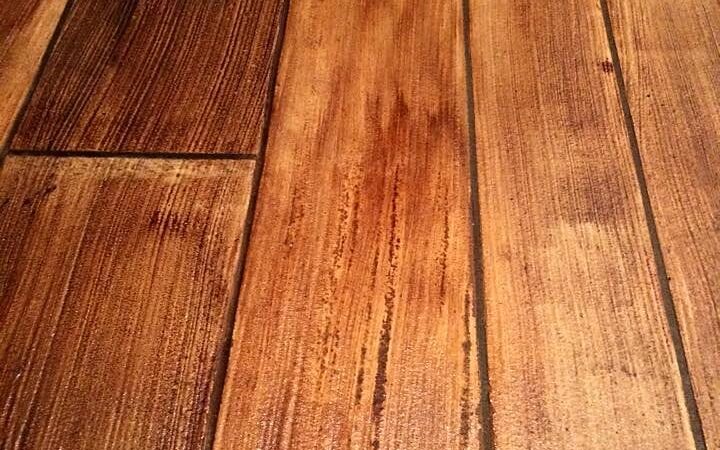
When homeowners picture a new hardwood floor, they usually think about species, color and plank width. Yet one of the most important decisions happens beneath the surface: how the floor is actually attached to your home. Nail-down, glue-down and floating installations each have their place, and choosing the right method affects how your floor sounds, feels underfoot and performs through decades of Chicagoland seasons.
After more than 25 years installing floors in luxury homes and new construction across the Chicago suburbs, we have learned that the best method is never a matter of habit. It depends on your subfloor, the product you choose, the room and the way you live. Here is what each approach involves and where it shines.
Nail-Down: The Traditional Standard for Solid Hardwood
Nail-down installation is the time-honored method for solid hardwood flooring. Each board is fastened through its tongue into a wood subfloor, typically plywood or OSB, using cleats or staples set at a precise angle. The fasteners stay hidden, and the floor becomes a firm, integrated part of the structure.
- Best for: solid hardwood and many engineered products installed over a wood subfloor on main and upper levels.
- Feel underfoot: solid and quiet, with the substantial character people associate with a classic hardwood home.
- Longevity: a properly nailed solid floor can be sanded and refinished several times over its life.
The limitation is simple: you need something to nail into. Concrete slabs, which are common in basements and some newer builds, require a different approach.
Glue-Down: Stability Over Concrete and Radiant Heat
Glue-down installation bonds each board directly to the subfloor with a professional-grade flooring adhesive. It is the go-to method for engineered hardwood over concrete, and it is often preferred over radiant heat systems because the full adhesive bond keeps boards stable as temperatures shift.
- Best for: engineered hardwood on concrete slabs, lower levels, condos and rooms with in-floor heating.
- Feel underfoot: very solid with minimal hollow sound, since the boards are fully supported.
- Pattern work: many herringbone and chevron installations rely on adhesive to hold each small piece perfectly in place.
Glue-down work rewards precision. The slab must be flat, clean and tested for moisture, and the right adhesive and trowel must be matched to the product. This is where experienced installers make a visible difference in the finished floor.
Floating: Flexibility for Engineered, LVP and Laminate
A floating floor is not fastened to the subfloor at all. Boards lock or glue to each other at the edges and rest on an underlayment, moving together as a single unit. This method is standard for luxury vinyl plank and laminate, and it is available for many click-together engineered hardwood products.
- Best for: click-lock engineered wood, LVP and laminate, especially over concrete or existing hard surfaces where nailing is not possible.
- Feel underfoot: slightly softer, with sound and comfort depending heavily on the underlayment selected.
- Considerations: proper expansion space at walls and a very flat subfloor are essential to avoid movement or gaps.
Floating floors are a smart, versatile choice, but they are not a shortcut. In large open-concept spaces, transitions and expansion planning become just as important as the boards themselves.
How Chicagoland’s Climate Shapes the Decision
Our region swings from humid summers to dry, heated winters, and wood responds to every change. Any installation method can perform beautifully, but only when it is paired with the right preparation. That means acclimating materials, checking subfloor moisture and flatness, and maintaining steady indoor humidity once the floor is in.
A few general guidelines we follow in homes throughout the north, northwest, west and southwest suburbs:
- Main and upper floors over plywood: nail-down solid or engineered hardwood is usually the first choice.
- Basements and slab foundations: glue-down engineered wood or a floating LVP floor typically performs best.
- Radiant heat: engineered wood, often glued down, with careful attention to the manufacturer’s heating guidelines.
- Kitchens and mudrooms: the method follows the product, so material choice comes first.
Choosing the Right Method for Your Home
The installation method should support the floor you love, not limit it. In many luxury homes, we use more than one approach under a single roof: nail-down hardwood on the main level, glue-down engineered wood in the lower level and a floating floor where moisture or subfloor conditions call for it. Thoughtful transitions keep the result looking seamless from room to room.
Before any installation, we evaluate the subfloor, confirm the product’s requirements and recommend the method that will give you the most stable, beautiful result. To keep the project efficient, we ask that rooms be cleared and ready, with furniture moved and any old carpet removed, so our team can focus entirely on the craft of the floor itself.
Not sure which method suits your space? Our team is happy to walk through your options, whether you are renovating a single room or planning floors for an entire new construction project. You can also browse our project gallery for inspiration.
Planning a flooring project in Chicagoland?
ANA Flooring brings 25+ years of craftsmanship to luxury homes, estates and new construction across the Chicago suburbs.