
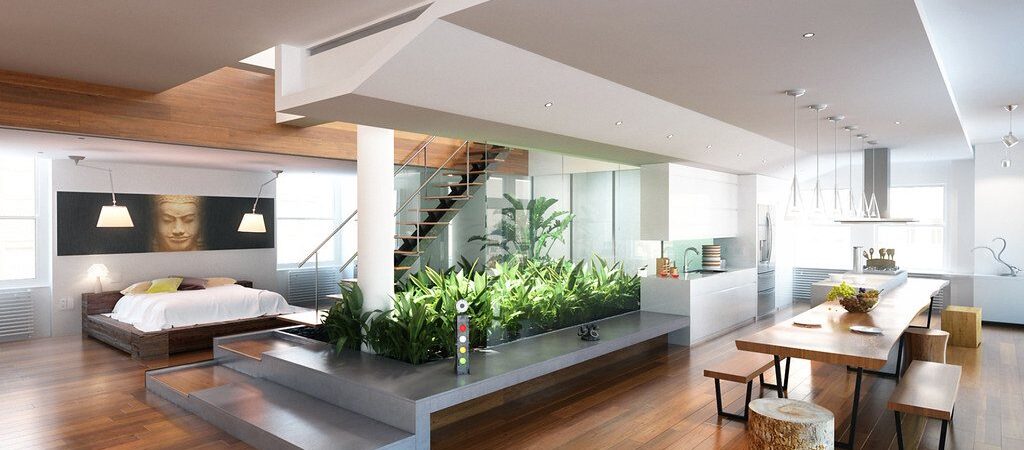
Walk into any showroom and you’ll be met with hundreds of beautiful planks that, at a glance, look almost identical. Yet the material beneath that finish makes an enormous difference in how a floor performs, how long it lasts and how it should be installed. At ANA Flooring, we’ve spent more than 25 years installing floors in luxury homes across Chicagoland, and the question we hear most is simple: which floor is right for my home? Here’s how we think about it.
Solid hardwood: the timeless investment
Solid hardwood is milled from a single piece of natural timber — oak, maple, walnut, hickory and more. Sanded and finished on site, it becomes one continuous, seamless surface with a depth that only real wood delivers. Its greatest advantage is longevity: a solid hardwood floor can be sanded and refinished many times over its life, which is why century-old homes still wear their original oak.
The trade-off is sensitivity to moisture and humidity. Solid wood expands and contracts with the seasons, so it’s happiest in stable, above-grade rooms — living rooms, bedrooms, dining and formal spaces — rather than basements. If resale value and heirloom character top your list, hardwood is hard to beat. Explore the species and finishes on our flooring types page.
Engineered wood: real wood, more resilience
Engineered planks bond a genuine hardwood veneer to a cross-layered core. The surface is real wood — so it looks and feels exactly like solid hardwood — but the engineered core resists the seasonal movement that humidity causes. That stability makes engineered the go-to for wide planks, open-concept floor plans, homes with radiant heat and rooms over concrete or below grade.
Most quality engineered floors can be refinished once or twice, and the best of them are indistinguishable from solid wood underfoot. For many of our Chicagoland clients building new or renovating wide-open main floors, engineered wood is the sweet spot between beauty and practicality.
Luxury vinyl plank (LVP): waterproof and worry-free
Modern luxury vinyl plank has come a long way. High-resolution imaging and embossed texture mimic wood and stone with startling realism, and because it’s 100% waterproof, LVP thrives exactly where wood struggles: kitchens, bathrooms, mudrooms, basements and busy households with kids and pets. It’s softer and quieter underfoot than tile, remarkably scratch-resistant, and a smart value across large areas.
LVP can’t be refinished — when it wears, it’s replaced — but its durability means that’s rarely a near-term concern. For lower levels and hard-working rooms in a luxury home, it’s our most-requested material.
A quick room-by-room rule of thumb
- Formal living, dining and bedrooms: solid hardwood or engineered wood for warmth and resale value.
- Open-concept main floors and over radiant heat: engineered wood for stability with true-wood looks.
- Kitchens, baths, basements and mudrooms: luxury vinyl plank for waterproof peace of mind.
- Large secondary spaces on a budget: premium laminate for a designer look at great value.
The detail most people overlook: installation
The finest plank in the world can look ordinary if it’s installed poorly — and an average plank can look spectacular when it’s laid with care. Layout, seam placement, transitions and pattern all matter. It’s also why we install in cleared, ready spaces and focus solely on the floor itself, rather than moving furniture or removing old carpet. Every hour goes into precision fit and finish.
Not sure which material suits your project? That’s exactly the conversation we love to have. Tell us about your rooms and we’ll recommend the right material, finish and lay pattern for each space.
Planning a flooring project in Chicagoland?
ANA Flooring brings 25+ years of craftsmanship to luxury homes, estates and new construction across the Chicago suburbs.