
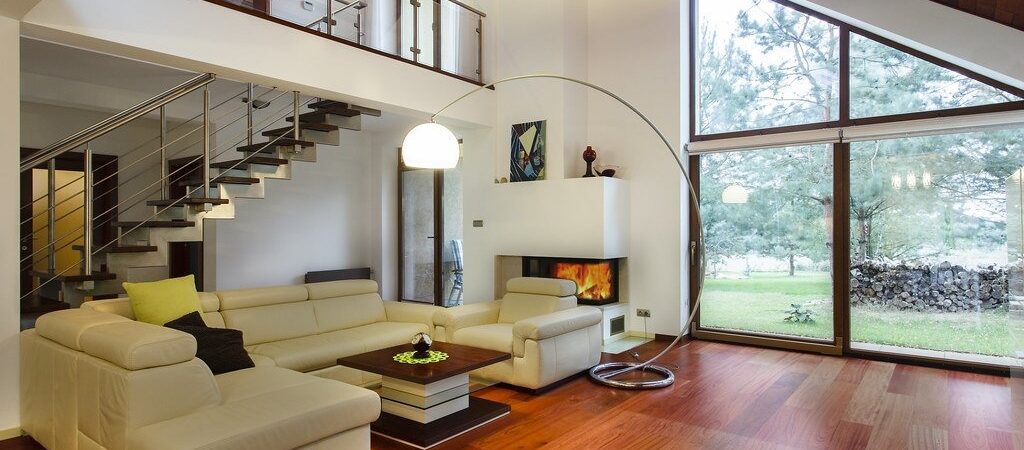
Few choices shape the character of a home as decisively as the color of its wood floors. Before a single plank is laid, the decision between deep, dramatic tones and soft, sunlit hues quietly sets the mood for every room. In luxury homes across Chicagoland, that choice is rarely accidental. It reflects how a family lives, how light moves through the space, and the atmosphere they want to come home to. Whether you lean toward the grounded elegance of dark wood or the airy calm of light flooring, understanding what each brings to a room helps you design with intention.
The Case for Dark Wood Floors
Dark floors, from rich walnut to deeply stained oak, carry an unmistakable sense of formality and depth. They anchor a room, giving furniture and architectural details something substantial to rest against. In grand foyers, libraries and formal dining rooms, a dark floor reads as timeless and refined, the kind of surface that makes a space feel considered and complete.
Dark tones are especially striking in homes with abundant natural light and higher ceilings, where the contrast between bright walls and a deep floor creates drama without feeling heavy. They also pair beautifully with lighter cabinetry, cream millwork and metallic accents, all of which stand out crisply against a darker hardwood backdrop.
The trade-off is maintenance. Darker finishes show dust, pet hair and footprints more readily, and fine scratches can be more visible over time. In busy Chicago suburb households, a satin or matte finish helps soften those imperfections while preserving the richness that makes dark wood so appealing.
The Appeal of Light Wood Floors
Light floors, think white oak, ash and pale European finishes, have defined a generation of luxury interiors, and for good reason. They open a room up, bounce daylight into corners, and lend a relaxed, contemporary ease that feels effortless. In smaller spaces or north-facing rooms that receive limited sun, a light floor can make the entire home feel larger and brighter.
There is also a practical elegance to lighter tones. They tend to hide dust and minor scratches better than dark floors, making them forgiving in high-traffic areas and homes with children or pets. Light engineered wood is a popular choice here, offering the look of natural oak with excellent stability across Chicagoland’s swings between humid summers and dry, heated winters.
Light floors invite a broader palette, working just as gracefully with warm, organic interiors as with cool, minimalist schemes. For homeowners drawn to a Scandinavian or coastal sensibility, they are often the natural starting point.
Matching Tone to Light, Space and Lifestyle
The right choice depends less on trend and more on the room itself. Consider how much natural light each space receives, the color of your walls and cabinetry, and the mood you want to establish. A few principles help guide the decision:
- Follow the light. Rooms flooded with sun can carry a dark floor beautifully, while dim spaces often benefit from lighter tones that amplify what light they have.
- Think about scale. Light floors visually expand compact rooms, while dark floors can make expansive open-plan areas feel more intimate and grounded.
- Plan for life. Households with pets, children and constant foot traffic may prefer the forgiving nature of lighter or mid-tone finishes.
- Consider continuity. In open-concept luxury homes, a single flooring tone flowing through the main level creates a seamless, cohesive feel.
Finding the Middle Ground
Not every home has to commit to one extreme. Mid-tone floors, natural oak, honeyed hues and warm browns, offer much of the versatility of both worlds, and they remain a perennial favorite in new construction across the Chicago suburbs. Many designers also use tone strategically, choosing a lighter floor for bright living areas and a richer stain for a study or primary suite, unified by a consistent species and plank width.
Custom borders and inlays can bridge the two as well. A dramatic dark picture-frame border around a lighter field, or the reverse, adds bespoke detail that feels tailored to the room. You can see a range of these tones and treatments in our project gallery, which shows how the same species can feel entirely different depending on its finish.
Designing with Confidence
There is no universally correct answer between dark and light wood, only the choice that best suits your home, your light and the way you live. The most successful luxury interiors treat flooring as a foundational design decision rather than an afterthought, letting tone set the stage for everything that follows. Taking time with samples in your own space, viewed at different hours of the day, is the surest way to know which direction feels like home.
Planning a flooring project in Chicagoland?
ANA Flooring brings 25+ years of craftsmanship to luxury homes, estates and new construction across the Chicago suburbs.