
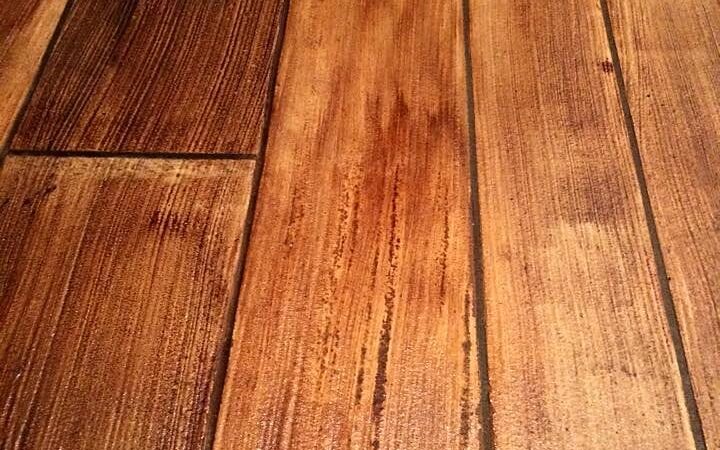
Two white oak floors can come from the same forest, the same mill and the same species, yet look completely different once installed. One reads calm and uniform; the other is full of knots, mineral streaks and colour variation. The difference is not quality in the sense of durability. It is grade, and understanding it is one of the most useful things a homeowner can learn before choosing hardwood for a luxury home in the Chicago suburbs.
Grade shapes the look of a room more than almost any decision short of species and finish. Here is how it works and how to choose.
What Hardwood Grade Actually Means
Grade describes the visual character of the boards: how much natural variation, how many knots, how long the average board is and how consistent the colour runs from plank to plank. It does not measure hardness, stability or lifespan. A character-grade white oak floor is every bit as tough as a select-grade one; it simply shows more of the tree’s history.
Different mills and importers use slightly different names, but most hardwood sold in Chicagoland falls into three broad families, whether you are looking at solid hardwood or a premium engineered hardwood with a thick sawn veneer.
The Three Main Grades
Select (also called Clear or Prime)
Select grade is the cleanest look available. Boards are sorted for minimal knots, very little sapwood, tight grain and consistent colour. Board lengths tend to be longer, which means fewer end joints across a big room. It is the grade most often specified for formal spaces and modern, minimal interiors, and the most expensive, because a smaller share of each log meets the standard.
Character (Natural, #1 Common or Rustic Select)
Character grade allows sound knots, mineral streaks, some sapwood and a noticeably wider colour range. This is where a floor starts to feel warm and lived-in rather than showroom perfect. Board lengths are a mix of long and medium. In our experience this is the sweet spot for many luxury homes across the North Shore and the western suburbs, especially in transitional or farmhouse-inspired designs where a bit of variation adds depth without becoming busy.
Rustic (#2 Common, Cabin or Tavern)
Rustic grade shows the most: open and filled knots, checks, wide colour swings and shorter average lengths. Done well, it delivers a striking reclaimed or lodge feel; done carelessly it looks chaotic, so it demands a thoughtful layout and an installer who racks boards intentionally.
Which Grade Suits Your Home?
A few patterns hold true in the homes we work in across Chicagoland.
- Wide-plank floors amplify grade. On an 8 or 10 inch board, a single knot or streak is far more visible than on a 3 inch strip. Select grade keeps wide planks serene; character grade makes them dramatic. Decide which mood you want before you decide the width.
- Light finishes reveal more variation. Natural, whitewashed and pale matte finishes let every mineral streak and sapwood band show. Darker stains tend to blend a character floor into a more uniform tone, which can be a smart way to get the value of a lower grade with a more refined look.
- Patterns favour cleaner grades. Herringbone, chevron and picture-frame borders rely on crisp geometry. Heavy knots can compete with the pattern, so most of the pattern installations we do use select or a tightly sorted character grade.
- Large open-concept spaces need longer boards. Higher grades typically come with longer average lengths, which matters in a great room where short boards would create a choppy, repetitive look.
- New construction can mix grades. Builders often specify character grade for main living areas and select grade for a foyer or formal dining room, provided the transitions are planned.
Grade and Cost: What to Expect
Because grade is driven by how much of a log qualifies, the price difference between grades in the same species can be significant, sometimes a meaningful percentage of the material cost on a large project. That said, the material is only one part of a finished floor. Subfloor preparation, layout, installation quality and finish all matter just as much, and those do not change with grade.
Rather than defaulting to the top grade because it sounds best, we encourage clients to look at large samples, ideally a few square feet laid on the floor in the actual room and lighting. A character-grade board that looks rustic on a small chip often looks elegant across a full room, and the savings can go toward a wider plank, a custom border or a better finish. Since every home and species combination is different, the best way to compare real numbers is to request a quote for your specific project.
Grade Is Only Part of the Story
Two other factors work alongside grade to define how a floor looks. The first is cut: plain-sawn boards show cathedral grain, while rift and quarter-sawn boards show a straight, linear figure that reads more refined at any grade. The second is sorting. A skilled installer opens multiple bundles at once and lays boards from several at a time, so colour and character are spread evenly instead of clustering in one corner. This is quiet, unglamorous work, and it is exactly what separates a good hardwood installation from a great one.
If you want to see how these choices come together in real Chicagoland homes, take a look through our project gallery. You will notice that many of the floors people describe as “perfect” are not actually select grade; they are well-chosen character floors installed with care.
Planning a flooring project in Chicagoland?
ANA Flooring brings 25+ years of craftsmanship to luxury homes, estates and new construction across the Chicago suburbs.