
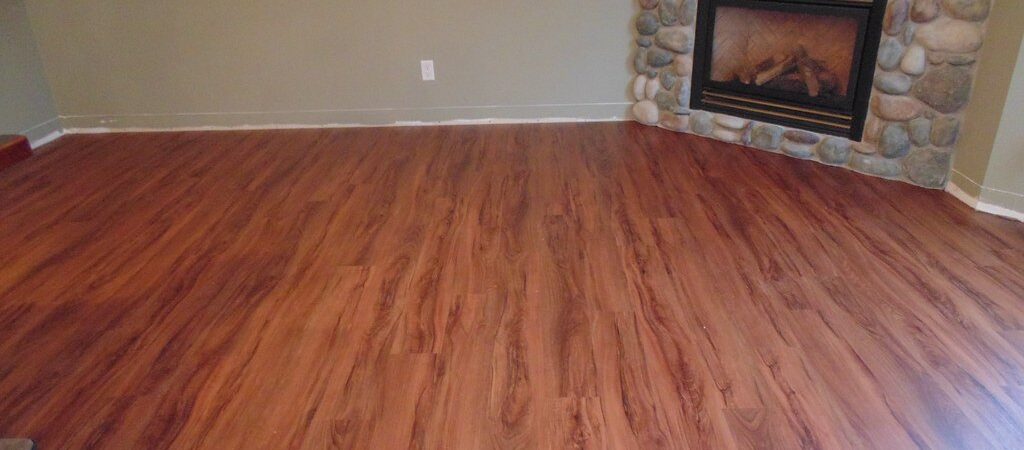
If you are weighing flooring options for a kitchen, basement or busy family wing, two names come up again and again: luxury vinyl plank and laminate. From a distance they can look almost identical, and both promise the warmth of wood without the price of solid hardwood. But underneath that wood-look surface, they are built very differently, and that difference decides where each one belongs in a home. For homeowners across Chicagoland, understanding how the two perform through humid summers and dry, salty winters is the key to choosing well the first time.
At ANA Flooring, we install both throughout the Chicago suburbs, and the right answer almost always comes down to the room, the subfloor and how the space is lived in. Here is how the two compare.
What Each Floor Is Actually Made Of
Luxury vinyl plank (LVP) is built around a waterproof core, most often a rigid PVC composite (SPC or WPC). A printed design layer carries the wood look, and a clear wear layer on top resists scratches and scuffs. Because the entire plank is synthetic, water simply has nowhere to soak in.
Laminate takes a different approach. Its core is high-density fiberboard (HDF), an engineered wood product, topped with a photographic image layer and a tough, often textured wear surface. That fiberboard core gives laminate a firm, grounded feel underfoot that many homeowners prefer, but it also means the core is wood-based, and wood reacts to moisture.
You can see both in context on our flooring types page, where we break down luxury vinyl plank and laminate side by side.
Moisture and Chicago’s Climate
This is where the two part ways most clearly. LVP is genuinely waterproof, which makes it a confident choice for kitchens, mudrooms, laundry rooms and below-grade basements, spaces where spills, snowmelt and seasonal humidity are facts of life in the Chicago suburbs.
Laminate is water-resistant rather than waterproof. Today’s better laminates handle everyday spills well if they are wiped up promptly, but standing water that reaches the seams can cause the fiberboard core to swell. In a finished basement or a high-traffic kitchen, that risk matters. For drier spaces like bedrooms, dining rooms and formal living areas, laminate performs beautifully and often feels more substantial underfoot.
Durability, Comfort and Feel
Both floors are tough, but in slightly different ways:
- Scratch and dent resistance: Laminate’s hard surface is excellent against scratches, a real advantage in homes with dogs or heavy furniture. LVP resists dents and moisture better and is more forgiving if something is dropped.
- Underfoot feel: Laminate tends to feel firmer and more like real wood. LVP is a touch softer and warmer, and its rigid-core versions have largely closed the gap.
- Sound: A quality underlayment makes a noticeable difference for both, softening the hollow sound that lower-grade products can have.
Appearance in a Luxury Home
Manufacturing has come a long way. Premium LVP and laminate both offer realistic grain, beveled edges and wide-plank formats that suit the scale of luxury homes and new construction. Laminate’s embossed textures can read slightly crisper in natural light, while high-end LVP offers a deeper range of waterproof, on-trend tones. In either case, choosing a thicker wear layer and a wider plank elevates the result considerably. For inspiration on how these floors look across full rooms, our gallery shows completed installations throughout Chicagoland.
Cost and Long-Term Value
Both LVP and laminate sit well below solid hardwood in price, which is a large part of their appeal. Within each category, cost rises with core thickness, wear-layer depth and design quality. As a general rule, entry-level laminate is often the most budget-friendly option, while premium rigid-core LVP commands a modest premium that many homeowners find worthwhile for its waterproof performance. Rather than quote a figure that may not fit your space, we encourage you to request a quote so we can price the exact product and square footage for your project.
So Which One Is Right for You?
For moisture-prone or below-grade spaces, luxury vinyl plank is usually the smarter long-term investment. For dry, formal rooms where an authentic wood feel matters most, laminate is a handsome and durable choice. Many of the Chicagoland homes we work in use both, matching each material to how the room is actually used.
One practical note before installation day: ANA Flooring installs in cleared, ready spaces. We do not move furniture or remove old carpet, so planning for a prepared room keeps your timeline smooth, whether you are renovating or finishing a new build.
Planning a flooring project in Chicagoland?
ANA Flooring brings 25+ years of craftsmanship to luxury homes, estates and new construction across the Chicago suburbs.